Buy highshop.net ?
We are moving the project
highshop.net .
Are you interested in purchasing the domain
highshop.net ?
domain@kv-gmbh.de · 0541-91531010
Buy highshop.net ?
Does the coleus have very large leaves?
Yes, the coleus plant is known for its large, colorful leaves. The size of the leaves can vary depending on the specific variety of coleus, but many have leaves that can grow to be quite large, often reaching several inches in length and width. The striking foliage is one of the main attractions of the coleus plant, making it a popular choice for adding visual interest to gardens and indoor spaces. **
What happened to the coleus plant?
The coleus plant was overwatered, causing root rot to develop. This led to the plant's leaves turning yellow and wilting. Despite efforts to save the plant by adjusting its watering schedule, the root rot had already progressed too far, resulting in the eventual death of the coleus plant. **

Similar search terms for Chesapeake-Coleus-Charcoal-Leaves
Top-Angebote
Products related to Chesapeake-Coleus-Charcoal-Leaves:
-
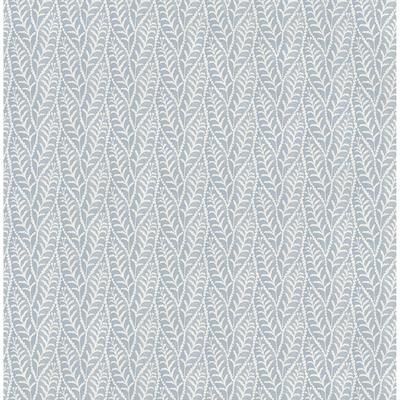
Chesapeake Pinnate Grey Leaves WallpaperBring the outdoors in with this serene botanical print. Watercolor leaves in grey tones and a hint of blue are laid over an off-white, faux linen background. Pinnate is a prepasted, non woven blend wallpaper.102,00 $*Shipping: 0,00 $Secure redirect to the provider




-
What is wrong with my coleus plant?
There could be several reasons why your coleus plant is not looking healthy. Some common issues include overwatering, underwatering, inadequate sunlight, or pests. Check the soil moisture level by sticking your finger into the soil - if it feels dry, it may need more water. Ensure the plant is receiving enough indirect sunlight, as coleus plants thrive in bright, indirect light. Additionally, inspect the plant for any signs of pests such as spider mites or aphids, which can also cause damage to the plant. **
-
How can new varieties of coleus be bred?
New varieties of coleus can be bred through a process called hybridization. This involves cross-pollinating two different coleus plants with desirable traits to create offspring with a combination of those traits. The offspring are then grown and evaluated for their characteristics, with the best ones selected for further breeding. This process is repeated over several generations to stabilize the desired traits and create a new variety of coleus. Additionally, advancements in biotechnology, such as genetic engineering, can also be used to introduce specific traits into coleus plants. **
-
What filters best, ash, charcoal, or activated charcoal?
Activated charcoal is the best filter among the three options. It has a larger surface area and more porous structure, allowing it to effectively trap and remove impurities from air and water. Ash and regular charcoal may also have some filtering properties, but they are not as effective as activated charcoal. Therefore, when it comes to filtering, activated charcoal is the superior choice. **
-
How can one make activated charcoal at home?
To make activated charcoal at home, you can start by burning natural materials like wood or coconut shells in a low-oxygen environment, such as a metal tin with a small hole in it. This process will create charred material, which can then be ground into a fine powder. Next, the powder can be activated by heating it with a gas or chemical activator like steam or potassium hydroxide. Finally, the activated charcoal should be washed and dried thoroughly before use. It's important to note that making activated charcoal at home can be a complex and potentially hazardous process, so it's recommended to purchase activated charcoal from a reputable source for safety and effectiveness. **


Who produces charcoal?
Charcoal is typically produced by burning wood in a low-oxygen environment, a process known as pyrolysis. This can be done on a small scale by individuals for personal use or on a larger scale by commercial operations. Charcoal is also produced as a byproduct of other industries, such as the production of steel or sugar. **
Is charcoal dangerous?
Charcoal itself is not inherently dangerous, but it can pose risks if not used properly. When burned, charcoal produces carbon monoxide, a colorless, odorless gas that can be harmful or even deadly if inhaled in high concentrations. Therefore, it is important to always use charcoal in a well-ventilated area to prevent the buildup of carbon monoxide. Additionally, ingesting charcoal can be dangerous and should be avoided. Overall, when used safely and responsibly, charcoal can be a useful and effective fuel source for cooking and heating. **
Top-Angebote
Products related to Chesapeake-Coleus-Charcoal-Leaves:
-
Does the coleus have very large leaves?
Yes, the coleus plant is known for its large, colorful leaves. The size of the leaves can vary depending on the specific variety of coleus, but many have leaves that can grow to be quite large, often reaching several inches in length and width. The striking foliage is one of the main attractions of the coleus plant, making it a popular choice for adding visual interest to gardens and indoor spaces. **
-
What happened to the coleus plant?
The coleus plant was overwatered, causing root rot to develop. This led to the plant's leaves turning yellow and wilting. Despite efforts to save the plant by adjusting its watering schedule, the root rot had already progressed too far, resulting in the eventual death of the coleus plant. **
-
What is wrong with my coleus plant?
There could be several reasons why your coleus plant is not looking healthy. Some common issues include overwatering, underwatering, inadequate sunlight, or pests. Check the soil moisture level by sticking your finger into the soil - if it feels dry, it may need more water. Ensure the plant is receiving enough indirect sunlight, as coleus plants thrive in bright, indirect light. Additionally, inspect the plant for any signs of pests such as spider mites or aphids, which can also cause damage to the plant. **
-
How can new varieties of coleus be bred?
New varieties of coleus can be bred through a process called hybridization. This involves cross-pollinating two different coleus plants with desirable traits to create offspring with a combination of those traits. The offspring are then grown and evaluated for their characteristics, with the best ones selected for further breeding. This process is repeated over several generations to stabilize the desired traits and create a new variety of coleus. Additionally, advancements in biotechnology, such as genetic engineering, can also be used to introduce specific traits into coleus plants. **
Similar search terms for Chesapeake-Coleus-Charcoal-Leaves
-
Chesapeake Pinnate Grey Leaves WallpaperBring the outdoors in with this serene botanical print. Watercolor leaves in grey tones and a hint of blue are laid over an off-white, faux linen background. Pinnate is a prepasted, non woven blend wallpaper.102,00 $*Shipping: 0,00 $Secure redirect to the provider
-
Chesapeake Pinnate Salmon Leaves WallpaperBring the outdoors in with this serene botanical design featuring lush fronds inked in soft shades of pink, mauve, grey, and beige watercolors against a cream backdrop imbued with a loose, linen weave.102,00 $*Shipping: 0,00 $Secure redirect to the provider
-
What filters best, ash, charcoal, or activated charcoal?
Activated charcoal is the best filter among the three options. It has a larger surface area and more porous structure, allowing it to effectively trap and remove impurities from air and water. Ash and regular charcoal may also have some filtering properties, but they are not as effective as activated charcoal. Therefore, when it comes to filtering, activated charcoal is the superior choice. **
-
How can one make activated charcoal at home?
To make activated charcoal at home, you can start by burning natural materials like wood or coconut shells in a low-oxygen environment, such as a metal tin with a small hole in it. This process will create charred material, which can then be ground into a fine powder. Next, the powder can be activated by heating it with a gas or chemical activator like steam or potassium hydroxide. Finally, the activated charcoal should be washed and dried thoroughly before use. It's important to note that making activated charcoal at home can be a complex and potentially hazardous process, so it's recommended to purchase activated charcoal from a reputable source for safety and effectiveness. **
-
Who produces charcoal?
Charcoal is typically produced by burning wood in a low-oxygen environment, a process known as pyrolysis. This can be done on a small scale by individuals for personal use or on a larger scale by commercial operations. Charcoal is also produced as a byproduct of other industries, such as the production of steel or sugar. **
-
Is charcoal dangerous?
Charcoal itself is not inherently dangerous, but it can pose risks if not used properly. When burned, charcoal produces carbon monoxide, a colorless, odorless gas that can be harmful or even deadly if inhaled in high concentrations. Therefore, it is important to always use charcoal in a well-ventilated area to prevent the buildup of carbon monoxide. Additionally, ingesting charcoal can be dangerous and should be avoided. Overall, when used safely and responsibly, charcoal can be a useful and effective fuel source for cooking and heating. **
* All prices are inclusive of VAT and, if applicable, plus shipping costs. The offer information is based on the details provided by the respective shop and is updated through automated processes. Real-time updates do not occur, so deviations can occur in individual cases. ** Note: Parts of this content were created by AI.